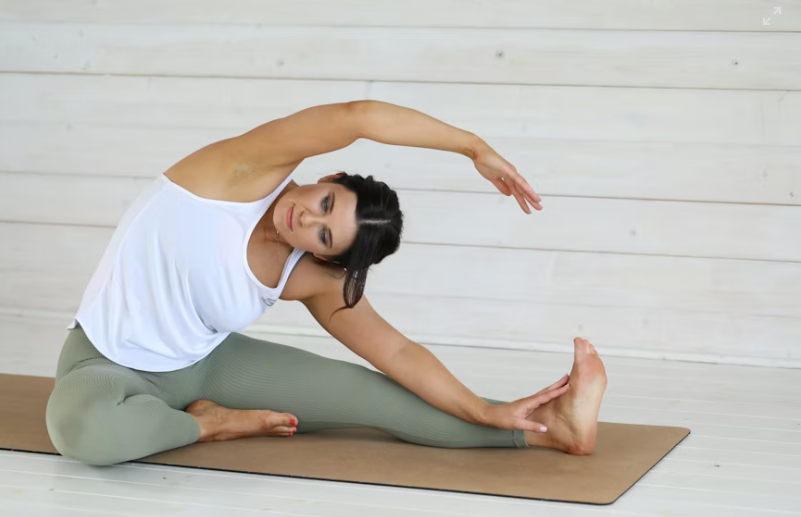
Combat chronic lower back pain with these five effective yoga poses. Improve your flexibility, strength, and posture safely, even if you are a complete beginner.
The Prevalence of Back Pain in Sedentary Lifestyles
For millions working sedentary desk jobs, lower back pain is a persistent and disruptive health issue. Long hours of sitting compress the spine and tighten the surrounding muscles. Yoga offers a structured, holistic approach to decompress the spine, strengthen supporting muscles, and improve postural alignment, providing much-needed relief and preventing future injuries.
Cat-Cow Stretch for Spinal Mobility
This gentle, dynamic movement is the perfect way to “wake up” the entire spine. Alternating between arching the back (Cow) and rounding the spine (Cat) improves circulation to the intervertebral discs and warms up the back muscles. This sequence helps release tension in the neck and upper shoulders as well.
Child’s Pose for Deep Lower Back Decompression
Child’s Pose is a foundational resting posture that offers immediate relief. By bringing your hips to your heels and reaching forward (or relaxing arms back), you allow the lower back muscles to lengthen and the pelvis to release. It is an excellent posture to hold when you feel sudden tightness after sitting for long periods.
Downward-Facing Dog for Hamstring and Spinal Length
Downward Dog targets the entire posterior chain of the body. Often, tight hamstrings pull on the pelvis, contributing to lower back pain. By stretching the legs and simultaneously elongating the spine from the hips to the hands, this pose provides profound relief and improves overall alignment.
Sphinx Pose for Passive Backbend strengthening
If your job requires you to hunch over a keyboard, Sphinx pose is the antidote. This passive backbend uses your forearms for support, allowing you to control the depth of the curve in your lumbar spine. It helps strengthen the erector spinae muscles and gently opens the chest.
Overview of Top Yoga Poses for Back Pain
| Pose Name | Key Targeted Area | Main Benefit | Recommended Hold Time |
| Cat-Cow | Entire Spine | Improves Mobility | 10 Repetitions |
| Child’s Pose | Lower Back and Hips | Decompresses Spine | 1–3 Minutes |
| Downward Dog | Hamstrings, Calves, Back | Full Body Lengthening | 5 Deep Breaths |
| Sphinx Pose | Lumbar Spine (Lower Back) | Gentle Strengthening | 1 Minute |
| Legs-Up-the-Wall | Hips, Hamstrings, Lower Back | Deep Passive Release | 5–10 Minutes |
Expert Safety Tips for Practicing Yoga with Pain
- Listen to Sharp Pain: Discomfort is normal during a stretch, but never push into a sharp, shooting, or electric pain. Back out of the pose immediately.
- Prioritize Alignment Over Depth: How a pose feels is more important than how far you can get into it. Use props like blocks or straps if needed.
- Deepen the Breath: Deep, intentional diaphragmatic breathing signals your nervous system to relax, allowing tight muscles to release safely.
- Maintain Consistency: A daily, gentle 10-minute session is far more effective for long-term relief than a single 60-minute class once a week.
About the Author